

A new two-part documentary miniseries released on Netflix, Angi: Fake Life, True Crime, investigates the complex criminal case of María Ángeles Molina, a woman known as “Angi”. The series, originally titled Angi: Crimen y mentira, examines two interconnected events that define her story: the 2008 murder of her friend, Ana Páez, and the suspicious death of her husband, Juan Antonio Álvarez Litben, twelve years earlier in 1996. The documentary presents a narrative of profound duality, contrasting the meticulously constructed public personas of its subject with the calculated criminal acts she committed. This exploration delves into what Spanish media dubbed “the almost perfect crime,” a case of identity theft, financial fraud, and murder.
A Story Told Through a Hall of Mirrors
The documentary’s narrative structure is crafted to reflect the disorienting nature of the case itself. Director Carlos Agulló described the investigative process as navigating a “hall of mirrors,” a metaphor for the multiple, fraudulent identities Angi created. The series meticulously chronicles these fabrications, detailing how she presented herself as a successful entrepreneur, a psychologist, a lawyer, and even a cancer patient to manipulate friends, family, and financial institutions. She was a “full-time actress in her own web of lies,” faking pregnancies and using social media to reinforce her elaborate deceptions. These invented lives were instrumental in gaining the trust of her victims, most notably Ana Páez, a fashion designer who had known Angi for a decade and considered her a mentor. The filmmakers employ a deliberate two-part structure to guide the audience through this labyrinth. The first episode concentrates on the 2008 murder of Páez, a crime for which Angi was convicted, establishing a clear foundation of fact. The second episode then shifts focus to the unresolved and ambiguous circumstances surrounding her husband’s death, compelling a re-examination of Angi’s history through a more unsettling lens. This narrative choice mirrors the experience of the original investigators, moving from a solved case into a deeper, more disturbing history of manipulation.



Deconstructing the ‘Almost Perfect Crime’
The documentary provides a clinical deconstruction of the crime that led to Angi’s conviction. The central victim was Ana Páez, a 35-year-old fashion designer in Barcelona who, after a ten-year friendship, trusted Angi implicitly, viewing her as a successful and generous mentor. Páez was unaware of the scheme orchestrated by her friend. The motive was a complex financial fraud. Angi systematically used forged documents to steal Páez’s identity, applying for loans and life insurance policies that totaled more than one million euros. The scheme also involved the identity of another woman, Susana B., whose personal documents were reportedly taken from a copy shop and used to open fraudulent bank accounts.
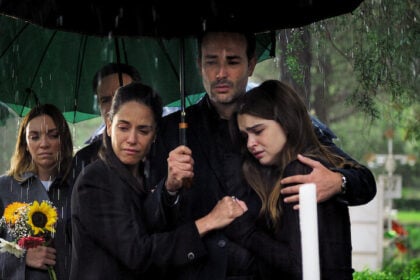
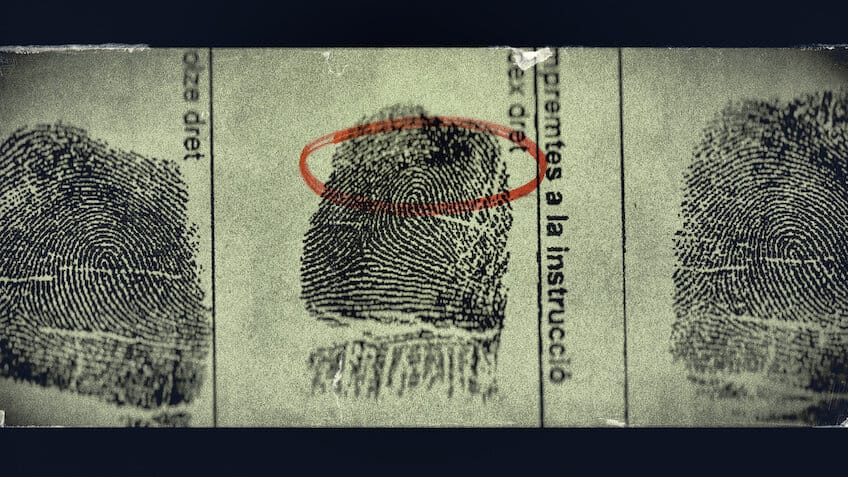
On February 19, 2008, Páez was found dead in a rented apartment, having been drugged with an unidentified substance and then suffocated with a plastic bag sealed with duct tape. Angi attempted to stage the scene as a sexual assault, planting semen she had acquired from men at a brothel to create a false trail for investigators. However, investigators dismantled the cover-up. The evidence was overwhelming, including security footage of Angi in a wig withdrawing money from Páez’s bank account shortly before the murder and the discovery of Páez’s documents hidden behind the water tank in Angi’s bathroom, alongside a sealed bottle of chloroform. During interrogation, Angi’s carefully constructed alibis crumbled. She claimed to be driving a Porsche to Zaragoza to collect her father’s ashes, or alternately, buying a watch or yogurt at the time of the murder. She gave conflicting accounts, at one point making the unsettling statement to the court, “Without yogurts or condensed milk, I am nothing”. In 2012, she was found guilty and sentenced to a total of 22 years in prison: 18 years for homicide and four for document forgery.
Revisiting a Suspicious Past
The investigation into the murder of Ana Páez prompted authorities to reopen the cold case of Angi’s husband, Juan Antonio Álvarez Litben, who died suddenly in 1996 under unexplained circumstances. The documentary dedicates its second part to this unresolved mystery, exploring the suspicions that have long surrounded his death, particularly as Angi inherited his assets. The series presents previously unpublished material, including judicial documents and testimony from family members, retired police, and private detectives who remained convinced of foul play. However, without material proof, the case remains officially unresolved. By juxtaposing a solved crime with an unsolved one, the documentary shifts from a straightforward crime procedural to a more complex character study. The ambiguity surrounding the husband’s death prevents a simple conclusion, instead raising profound questions about the potential for a long-standing pattern of malevolent behavior that may have begun years before the crime for which she was convicted.
The Extensive Investigation and Complex Release
Produced by Brutal Media and directed by Carlos Agulló, the documentary is the result of a two-year investigation. The production team reviewed over 2,000 pages of legal documents, police reports, and family files, and conducted more than 60 interviews with key figures connected to both cases. The documentary’s path to release was itself a notable event. Originally scheduled for a global premiere on May 1, 2025, the series was abruptly suspended by a Spanish court order just before its debut. From prison, María Ángeles Molina initiated the legal action, filing a complaint that alleged the unauthorized use of her personal images without consent. In compliance, Netflix removed the episodes and promotional materials from its platforms.
After a delay of nearly three months, the docuseries was released without advance notice on July 25, 2025. The final version that reached audiences had been modified, with certain personal images that were the subject of the legal challenge removed from the final cut. This legal battle forms a compelling extension of the documentary’s central theme. Angi’s real-world attempt to control the narrative of her life being presented to a global audience mirrors the very life of manipulation and image control that the series itself documents.
Angi: Fake Life, True Crime offers a methodical and comprehensive examination of a case defined by psychological manipulation and violence. It functions as both a detailed crime procedural and a disturbing character study, with its own complex production and release history adding another layer to its story of deception and control.
The two-part docuseries Angi: Fake Life, True Crime premiered on Netflix on July 25, 2025.